About This Program
Access to quality healthcare information remains profoundly unequal in Uganda. Many families Hopeline works with — refugees, orphans, domestic violence survivors, and communities in poverty — lack basic health literacy. They may not recognize symptoms of treatable illnesses, know when to seek professional care, understand their reproductive health rights, or know that mental health support exists.
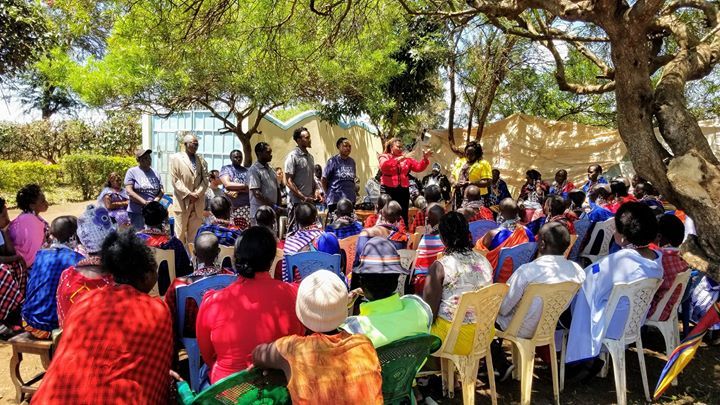
Our Health Education Program closes this gap through community outreach, peer education, and school-based health campaigns. We train and deploy community health promoters who deliver regular sessions across target communities, making health knowledge accessible, relatable, and practical for people who may never visit a clinic.
Who We Serve
Our health education sessions reach the full breadth of the communities we serve. We prioritize children and adolescents who need age-appropriate health and reproductive education, mothers and caregivers who are primary health decision-makers for their families, men and fathers who are often excluded from health programming despite their significant influence, refugees and internally displaced persons who face the greatest barriers to healthcare access, and individuals engaged in our other programs — feeding, women empowerment, and climate — for whom health education is a natural and vital complement. No documentation or payment is required to participate.
Program Objectives
- Deliver health education sessions to 5,000 community members every year
- Train and deploy 40 community peer health educators across all target areas
- Organize quarterly free health screening camps in partnership with local clinics
- Reduce mental health stigma through community dialogues, drama, and storytelling
- Provide age-appropriate reproductive health education for adolescents in partner schools
- Create clear referral pathways connecting community members to professional health services
- Run targeted campaigns on malaria prevention, hygiene, safe water, and nutrition
- Document health education outcomes to guide ongoing program improvements
Our Approach
We use a peer education model because people are most likely to absorb health information from someone they already know and trust. Our community health promoters are recruited from within the communities they serve — they speak the same language, face the same challenges, and can have honest conversations that an outside health worker cannot.
Training covers maternal and child health, HIV/AIDS prevention, malaria prevention, mental health awareness and first response, hygiene and sanitation, nutrition, and safe water practices. Educators receive quarterly refresher training and are supported by a clinical supervisor throughout their deployment.
For mental health specifically, we use drama, storytelling, and community dialogue circles as primary tools for reducing stigma — culturally resonant formats that let people engage with topics like depression, trauma, and grief in ways that feel safe and familiar rather than clinical and threatening.
I had never heard the words mental health before Hopeline came to our community. Now I understand what I was going through had a name, and that there was help available. That knowledge changed everything.
In Action
Get Get Involved
Program Details
-
SessionsWeekly community outreach
-
CoverageKampala & Northern Uganda
-
People Reached4,000+ and growing
-
Health CampsFree camps held twice yearly
-
Mental HealthCore focus across all sessions
-
PartnersLocal clinics & hospitals